
As your baby reaches 9 months of age, mealtime becomes an exciting journey of discovery. At this stage, babies are developing stronger chewing skills, improving hand-eye coordination, and showing interest in feeding themselves. Choosing the right food for a 9-month-old baby is essential to support healthy growth, brain development, and overall well-being.
In this guide, you’ll learn about the best foods for a 9-month-old, meal ideas, feeding tips, and foods to avoid.
What Should a 9-Month-Old Baby Eat?
A 9-month-old baby should continue receiving breast milk or formula while gradually eating a variety of solid foods. The goal is to provide balanced nutrition that includes:
- Fruits and vegetables
- Whole grains
- Protein-rich foods
- Healthy fats
- Dairy products (if recommended by your pediatrician)
Offering different textures and flavors helps your baby develop healthy eating habits and reduces picky eating later in life.
Best Foods for a 9-Month-Old Baby
1. Fruits
Fruits are packed with vitamins, minerals, and fiber.
Great options include:
- Bananas
- Avocados
- Apples (cooked and mashed)
- Pears
- Peaches
- Mangoes
- Blueberries
Serve fruits mashed, pureed, or cut into soft bite-sized pieces.
2. Vegetables
Vegetables provide essential nutrients that support growth and immunity.
Popular choices include:
- Sweet potatoes
- Carrots
- Peas
- Pumpkin
- Broccoli
- Zucchini
- Green beans
Steam or boil vegetables until soft enough for your baby to chew safely.
3. Protein-Rich Foods
Protein helps build muscles and supports healthy development.
Good protein sources are:
- Scrambled eggs
- Shredded chicken
- Turkey
- Lentils
- Beans
- Tofu
- Fish with low mercury levels
Introduce one new protein at a time to monitor for allergies.
4. Whole Grains
Whole grains provide energy and important nutrients.
Examples include:
- Oatmeal
- Whole-grain cereals
- Brown rice
- Quinoa
- Whole-wheat pasta
Mix grains with fruits or vegetables for a nutritious meal.
5. Dairy Products
If your pediatrician approves, you may introduce:
- Plain yogurt
- Cottage cheese
- Pasteurized cheese
Avoid flavored yogurts that contain added sugars.

Finger Foods for a 9-Month-Old
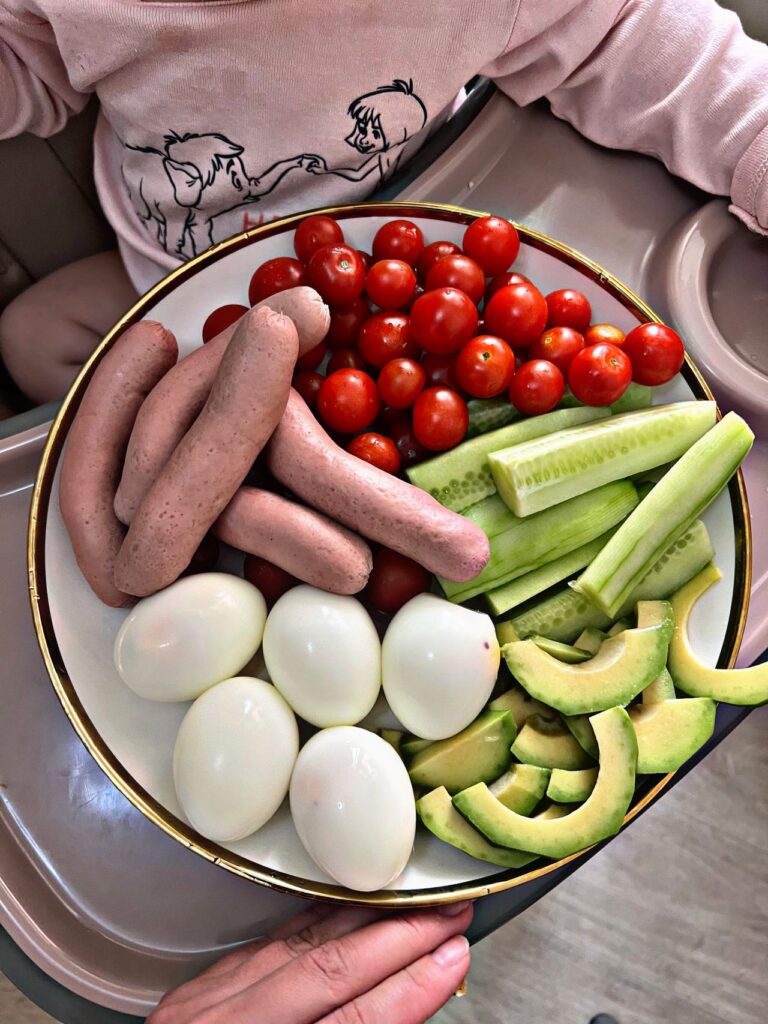
Many babies enjoy self-feeding at this age. Healthy finger foods include:
- Soft banana slices
- Avocado cubes
- Cooked carrot sticks
- Small pieces of soft chicken
- Scrambled eggs
- Soft pasta
- Toast strips
- Steamed broccoli florets
Always supervise your baby during meals to reduce choking risks.
Sample Meal Plan for a 9-Month-Old
Breakfast
- Oatmeal with mashed banana
- Breast milk or formula
Morning Snack
- Soft pear slices
Lunch
- Shredded chicken
- Mashed sweet potatoes
- Steamed peas
Afternoon Snack
- Plain yogurt with fruit puree
Dinner
- Soft cooked pasta
- Steamed vegetables
- Breast milk or formula
Foods to Avoid for a 9-Month-Old
Some foods may pose choking or health risks.
Avoid:
- Honey (until 12 months)
- Whole nuts
- Popcorn
- Hard candies
- Large chunks of raw vegetables
- Whole grapes
- Excess salt
- Sugary snacks and drinks
Always cut food into small, manageable pieces.
Feeding Tips for Parents
Introduce New Foods Gradually
Offer one new food every few days to identify potential allergies.
Encourage Self-Feeding
Allow your baby to explore finger foods and practice using their hands.
Maintain a Routine
Serve meals and snacks at consistent times each day.
Be Patient
Babies may need multiple exposures to a new food before accepting it.
Focus on Variety
Providing different foods helps ensure balanced nutrition.
Signs Your 9-Month-Old Is Ready for More Textures
Your baby may be ready for more textured foods if they:
- Sit independently
- Pick up food with fingers
- Move food around their mouth
- Show interest in family meals
- Attempt chewing motions
Gradually transition from purees to soft, mashed, and chopped foods.
Frequently Asked Questions
How many meals should a 9-month-old eat daily?
Most 9-month-old babies eat 3 meals and 1–2 snacks per day, along with breast milk or formula.
Can a 9-month-old eat eggs?
Yes. Fully cooked eggs are a nutritious source of protein and healthy fats.
How much water can a 9-month-old drink?
Small amounts of water can be offered with meals, but breast milk or formula should remain the primary source of hydration.
Conclusion
Choosing the right food for a 9-month-old baby helps support healthy growth, development, and lifelong eating habits. Focus on offering a variety of fruits, vegetables, proteins, whole grains, and healthy finger foods while continuing breast milk or formula. By introducing nutritious foods and encouraging self-feeding, you can make mealtime enjoyable and beneficial for your growing baby.