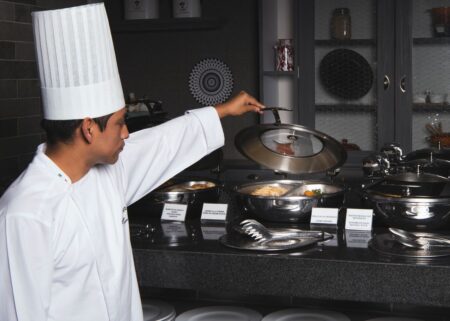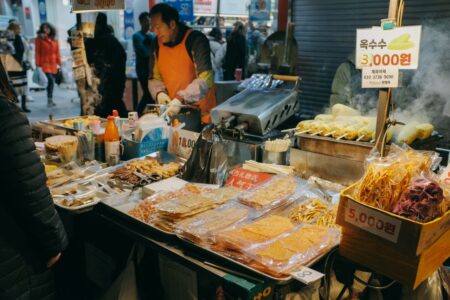
Korea is famous for its rich culinary traditions, flavorful dishes, and unique dining customs. Eating food in Korea is more than just satisfying hunger—it is an important part of Korean culture, family life, and social gatherings. Whether you are planning a trip to South Korea or simply want to learn more about Korean cuisine, understanding Korean eating habits can enhance your appreciation of this fascinating culture.
Understanding Food Eating in Korea
Food plays a central role in Korean society. Meals are often shared among family members, friends, and colleagues. Korean dining emphasizes balance, variety, and harmony, with multiple side dishes served alongside the main course.
Traditional Korean meals typically include rice, soup, vegetables, fermented foods, and a protein source such as meat, fish, or tofu. The combination of flavors and nutrients creates a healthy and satisfying dining experience.
Popular Foods in Korea
Kimchi
Kimchi is Korea’s most famous dish. Made from fermented vegetables, usually cabbage or radish, it is served with almost every meal. Rich in probiotics and nutrients, kimchi is both delicious and healthy.
Bibimbap
Bibimbap is a colorful rice dish topped with vegetables, meat, egg, and spicy chili paste. It is one of the most popular Korean foods among locals and tourists alike.
Bulgogi
Bulgogi consists of thinly sliced marinated beef grilled or stir-fried to perfection. Its sweet and savory flavor makes it a favorite Korean dish.
Korean Barbecue
Korean barbecue is a social dining experience where diners grill meat directly at the table. It is commonly enjoyed with lettuce wraps, garlic, sauces, and side dishes.
Tteokbokki
This popular street food features chewy rice cakes cooked in a spicy and sweet red chili sauce. It is a favorite snack throughout Korea.
Korean Dining Etiquette
Understanding dining etiquette is an important aspect of food eating in Korea.
Wait for Elders
In Korean culture, respect for elders is highly valued. Younger people usually wait for the oldest person at the table to begin eating before starting their meal.
Use Chopsticks and a Spoon
Koreans typically use metal chopsticks along with a long-handled spoon. The spoon is used for rice and soup, while chopsticks are used for side dishes.
Do Not Stick Chopsticks in Rice
Placing chopsticks upright in a bowl of rice resembles a funeral ritual and is considered disrespectful.
Share Side Dishes
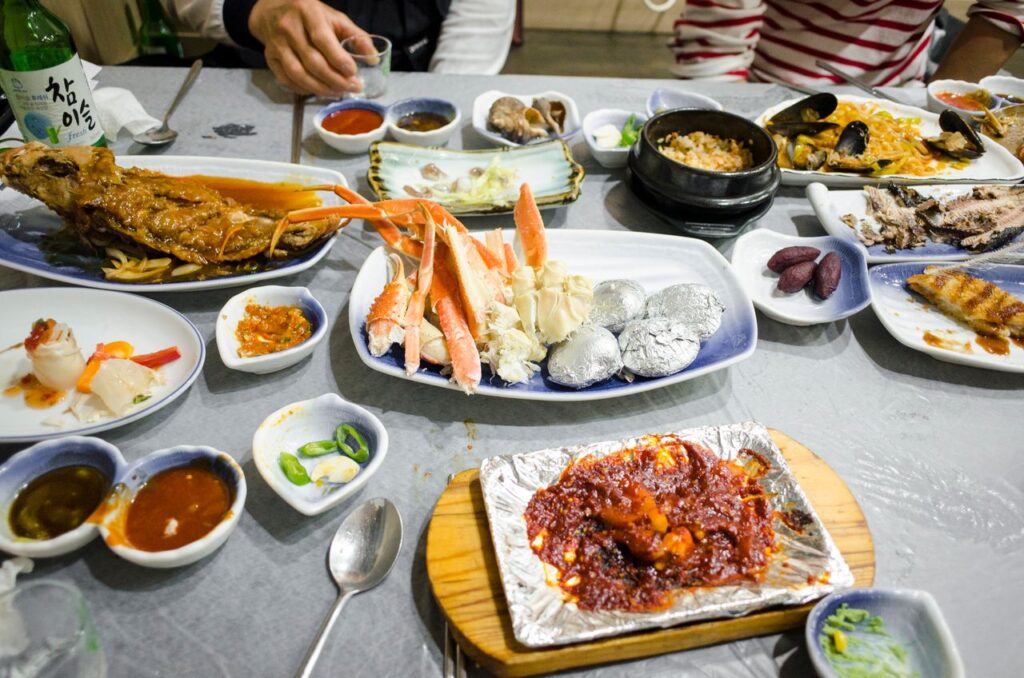
Most Korean meals include shared side dishes known as “banchan.” Diners help themselves from communal plates.
Avoid Lifting Rice Bowls
Unlike some other Asian cultures, Koreans generally leave rice bowls on the table while eating.
The Importance of Banchan
Banchan refers to the small side dishes served with Korean meals. These can include kimchi, seasoned vegetables, fish cakes, bean sprouts, and more. A typical Korean meal may include several banchan varieties, creating a diverse and balanced dining experience.
Korean Street Food Culture
Street food is an essential part of food eating in Korea. Popular options include:
- Tteokbokki (spicy rice cakes)
- Hotteok (sweet pancakes)
- Gimbap (seaweed rice rolls)
- Odeng (fish cake skewers)
- Korean fried chicken
Street food markets offer affordable and delicious meals while providing a glimpse into everyday Korean life.
Health Benefits of Korean Cuisine
Korean food is often praised for its nutritional value. Many dishes contain fresh vegetables, fermented foods, lean proteins, and nutrient-rich ingredients. The frequent use of kimchi and other fermented foods supports digestive health, while vegetable-based side dishes provide essential vitamins and minerals.
Modern Food Trends in Korea
While traditional foods remain popular, modern Korean cuisine continues to evolve. Cafés, fusion restaurants, and international food influences are becoming increasingly common. However, traditional Korean flavors and dining customs remain deeply rooted in everyday life.
Tips for Enjoying Food in Korea
- Try a variety of traditional dishes.
- Learn basic dining etiquette.
- Visit local food markets.
- Experience Korean barbecue with friends.
- Sample authentic street foods.
- Be open to new flavors and ingredients.
Conclusion
Food eating in Korea offers a unique blend of tradition, culture, and flavor. From kimchi and bibimbap to Korean barbecue and street food, Korean cuisine provides an unforgettable culinary experience. By understanding Korean dining customs and exploring its diverse dishes, visitors can gain deeper insight into one of the world’s most vibrant food cultures.
Whether you are a food enthusiast or a traveler, experiencing food eating in Korea is a journey worth taking.
The country’s rich culinary heritage continues to attract food lovers from around the globe, making Korean cuisine one of the most celebrated food cultures in the world